San Donato Val di Comino is not only enchanted villages and lush nature; it is also a place where every stone, every mountain ravine, holds fragments of a history that does not want to be forgotten. Today we take you to discover one of the most intense and touching pages of our past, linked to a place with an evocative name: [...]
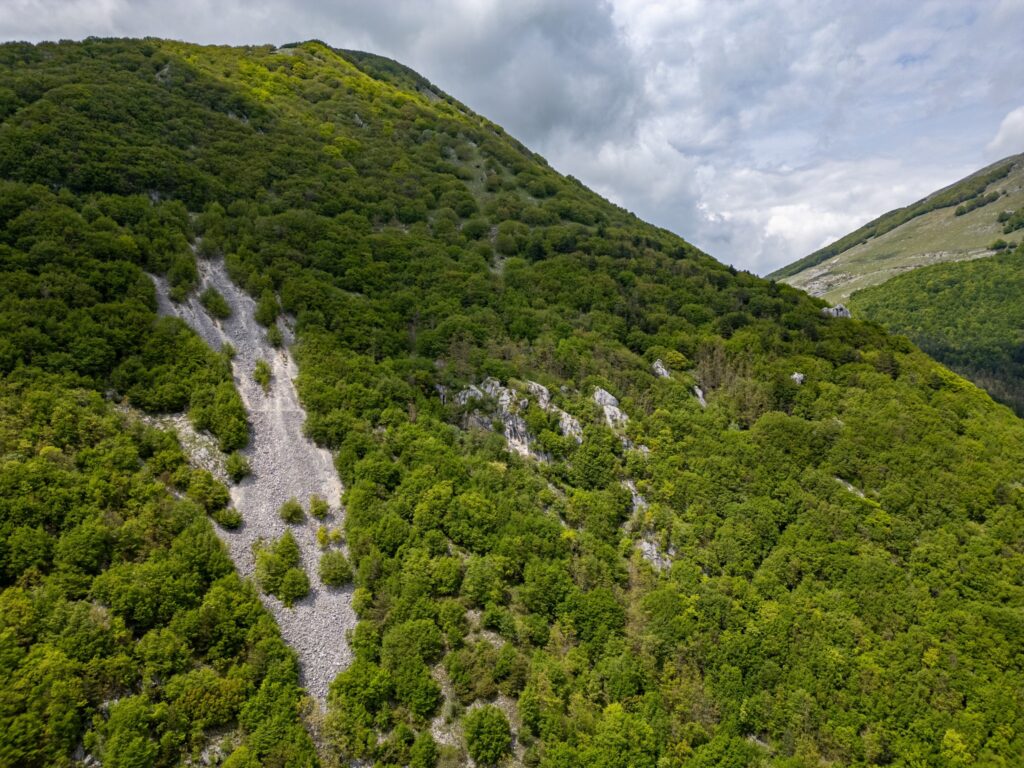
During the dark years of World War II, our mountains were the scene of events that deeply marked the territory and its people. And it is precisely on what we now call the road to Forca d'Acero, a scenic route that winds between Mount Pizzuto and the famous Germans' Rock, that an episode occurred that is destined to remain etched in the collective memory.
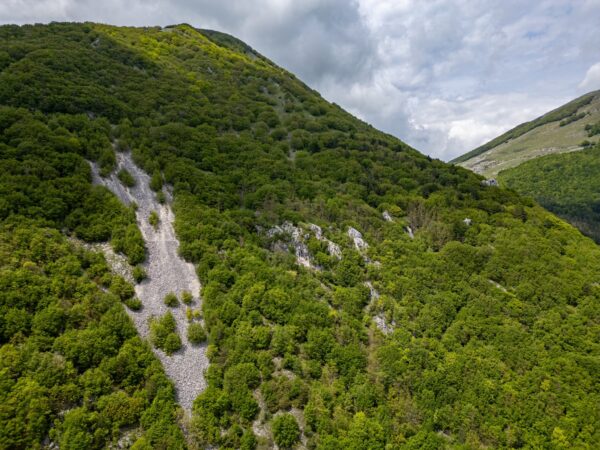
Here, in a bare and steep spot in the valley, strewn with stones, a truck of the 305th German Infantry Regiment overturned disastrously, plunging into the ravine. A tragic accident that cost the lives of two soldiers. The circumstances were the subject of speculation: there was talk of an assassination attempt, but the truth remained hidden in the folds of war, never finding official confirmation.
What makes this story particularly significant is its denouement, a moving example of typically Sandonese resilience and ingenuity. With the war over, with the country barely emerging from a period of devastation, and in a context of economic scarcity where the purchase of new means of transportation was an unimaginable luxury, the community of San Donato rolled up its sleeves. The villagers, with an admirable tenacity and ability to make do, salvaged the remains of that crashed truck. Piece by piece, with dedication and skill, they managed to reassemble it in the village, giving it a second life.
That vehicle, a symbol of a conflict that had just ended, thus became a valuable resource for the municipal administration and the entire community. For a considerable time, it was the only vehicle available for essential movements within the Comino Valley or to reach the most important centers of the Province. A vehicle that, from an instrument of war, was transformed into a symbol of rebirth and adaptation.
This is one of the many testimonies carefully collected by Luca Leone, through the vivid memories of the village's elders, and passionately shared by Anna Capoccia, with the valuable intention of not letting time erase memory. To visit the Germans' Rock today is not only to admire a view, but also to reflect on these stories, to understand the fortitude of those who lived through those moments, and to appreciate the value of historical memory.